Court Upholds $5.54 Million Judgment Against Woman in Romance Scam Case
A Florida appellate court has upheld a significant judgment against Kimberly Langston, who mismanaged her mother's finances by transferring nearly $1.85 million to individuals directed by an online scammer. The court's ruling emphasizes the importance of fiduciary responsibility and the need for verification in financial dealings, especially concerning vulnerable individuals.
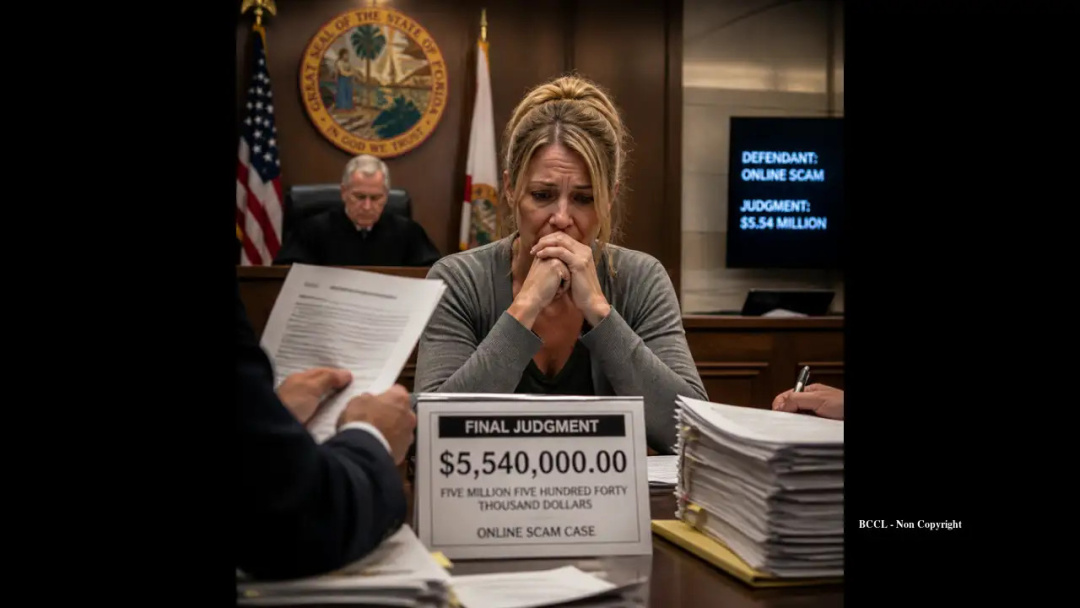
In a notable case highlighting the dangers of online romance scams, a Florida appellate court recently upheld a $5.54 million judgment against Kimberly Langston. The ruling stems from Langston's actions while serving as a power of attorney for her mother, Sherry Burrows, who was an elderly individual with significant health issues, including Alzheimer’s disease. The court found that Langston transferred approximately $1.85 million from her mother's bank account to people directed by an online scammer impersonating French billionaire Francois-Henri Pinault.
The Third District Court of Appeal affirmed the Miami-Dade trial court's summary judgment on November 25, 2026, in a case initiated by Langston's brother, Michael Burrows. He sought legal recourse after discovering that their mother's funds had been mismanaged. The court's decision underscores that being deceived by a scammer does not absolve a financial agent from their duty to act responsibly and verify the legitimacy of transactions.
Langston's involvement with the scammer began when she met him online and subsequently developed a romantic relationship. Despite never having met him in person, she transferred large sums of money based on his assurances that the funds would be invested. The court noted that Langston's actions were particularly concerning because she first transferred the money into her own personal account before sending it to unknown recipients, a move that raised red flags regarding her fiduciary responsibilities.
The case illustrates the emotional and financial complexities surrounding romance scams, especially when they involve vulnerable individuals. The court determined that Langston had neglected her duty to verify the scammer's identity and failed to document any legitimate investment opportunities. This negligence was pivotal in the court's decision to hold her accountable for the financial losses incurred by her mother.
Legal Consequences of Fiduciary Negligence
As a result of the ruling, Langston is liable for the substantial financial damages, which reflect the serious nature of her breach of fiduciary duty. The court emphasized that exploitation can occur when an agent under a power of attorney fails to act in the best interest of the principal, particularly when the principal is an elderly person who cannot adequately protect their own interests.
Implications for Dating Safety
For families managing the finances of elderly relatives, this case serves as a stark reminder of the importance of vigilance and verification. It is crucial to independently confirm the identities of individuals requesting money, maintain thorough documentation of any financial transactions, and avoid using personal accounts for transferring funds on behalf of someone else. The legal responsibilities associated with a power of attorney are significant, and failure to uphold these duties can lead to severe financial repercussions.
The implications of this case extend beyond the courtroom, serving as a cautionary tale for those navigating online relationships. As romance scams become increasingly sophisticated, it is essential for individuals to exercise caution and due diligence before transferring any funds or sharing personal information with online contacts. The court's ruling reinforces the necessity of safeguarding one's financial interests and highlights the potential for devastating consequences when trust is misplaced in online interactions. Families must remain vigilant and proactive in protecting their loved ones from the risks associated with romance scams, ensuring that they are equipped to make informed decisions in the digital dating landscape.