Gen Z Turns to Matchmakers for Valentine's Day Amid Dating App Fatigue
As Valentine's Day approaches, many Gen Z singles are seeking matchmakers instead of relying on dating apps. This shift comes as reports indicate a growing disillusionment with online dating. Experts note that young singles are increasingly valuing in-person connections and the personalized approach that matchmakers provide, highlighting a cultural trend towards more intentional dating experiences.
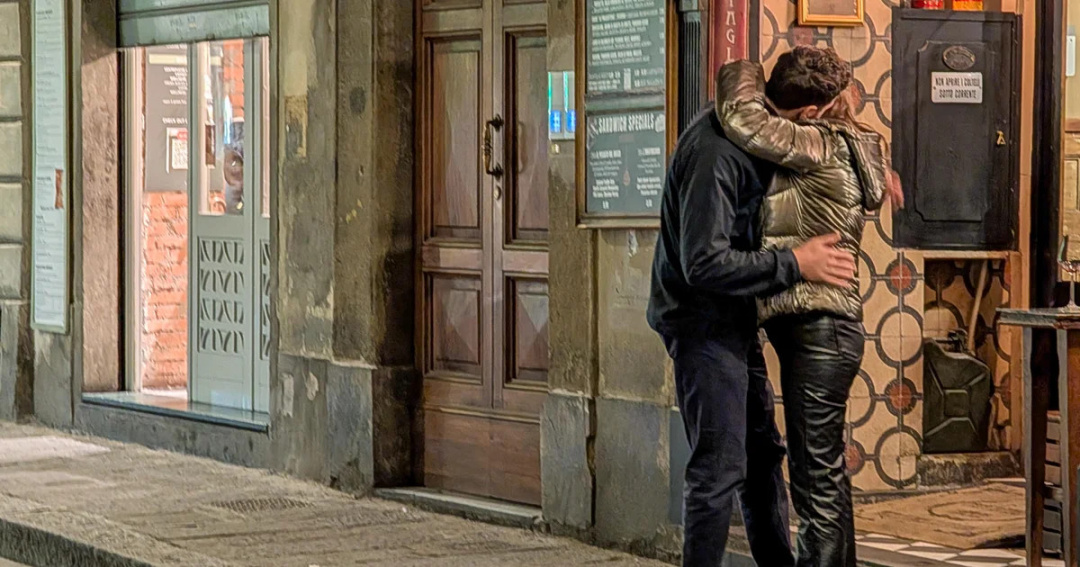
In the lead-up to Valentine's Day, many Gen Z singles are turning away from dating apps and seeking the help of matchmakers. This trend reflects a growing fatigue with online dating platforms, as young people like Shardil Ahmad, a 28-year-old medical resident from New York, express a desire for more authentic connections. Ahmad, who once envisioned meeting his future girlfriend in a coffee shop, found himself skeptical about using a matchmaker at first. "I wanted to be the one to discover this person," he explained. However, he soon realized that allowing someone else to facilitate the process could be beneficial.
Maria Avgitidis, founder of Agape Match and a fourth-generation matchmaker, has observed a notable increase in inquiries from younger clients. Matchmakers across the country report that many Gen Z individuals are seeking alternatives to the algorithms of dating apps, which often fail to capture the nuances of personal connection. "Many of them graduated high school or college via Zoom, so they really do want that intentionality of in real-life experiences," Avgitidis noted.
Despite Gen Z's tendency to delay marriage and parenthood, data from the Pew Research Center shows that a significant majority still aspire to marry someday. Nearly 70% of adults aged 18 to 34 who have never been married express a desire for marriage, indicating that while their approach to dating may be evolving, their long-term goals remain intact. Ahmad echoed this sentiment, questioning, "If you're not dating for marriage, what are you dating for?"
Avgitidis has seen a shift in the reasons people seek matchmaking services. Many clients are now looking for deeper connections that go beyond what a dating app profile can convey. They value authenticity, often prioritizing shared values, lifestyles, and future plans over superficial aesthetics. "The language dramatically shifted about why someone was using us," she said, highlighting the importance of compatibility on a more personal level.
Cultural Influences and Cost Barriers in Matchmaking
The rising interest in matchmaking is also reflected in popular culture, with shows like "Indian Matchmaking" and "Jewish Matchmaking" gaining traction. These programs have sparked conversations about the role of matchmakers in modern society, showcasing the appeal of personalized matchmaking services.
However, the cost of these services can be a barrier for many. Matchmaking fees can range significantly, with some high-end firms charging between $15,000 to $25,000 for curated matches. At Agape, services can cost anywhere from $30,000 to $100,000, which initially gave Ahmad pause. "How am I gonna spend this much on love?" he questioned. Despite this, he found that the time saved and the quality of vetted matches made the investment worthwhile.
Exploring Alternative Paths to Meaningful Connections
For those who find traditional matchmaking services financially out of reach, there are alternatives available. Some agencies offer free databases where individuals can submit their profiles to be considered as potential matches for paying clients. Additionally, packages that include coaching sessions and dating support communities can provide valuable resources for those navigating the dating landscape.
Ultimately, Avgitidis reminds daters that they can always turn to family and friends for help in their search for love. "One day, we all just started swiping alone on the couch," she said, emphasizing that dating should be a collective experience rather than a solitary endeavor. As Gen Z continues to explore their options, the return to matchmaking may signify a broader cultural shift towards more meaningful connections in the dating world.