Meta's Muse AI Sparks Romantic Connections Among Users
Meta's Muse AI, originally designed for task management, has led some users to develop romantic attachments, even referring to it as their girlfriend. This trend raises important questions about emotional dependence, privacy, and the nature of companionship in the age of artificial intelligence.
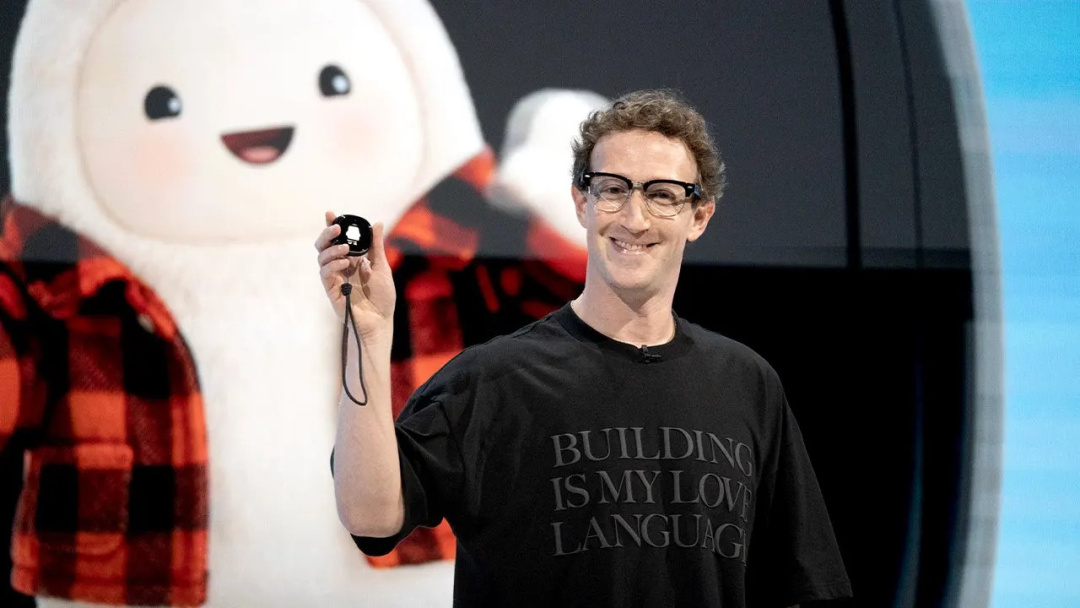
Meta's Muse AI, launched on September 8, is designed to assist users in managing their daily tasks. However, some users have begun to form romantic relationships with the AI, engaging in intimate conversations and even calling it their girlfriend. This unexpected development highlights how technology can fulfill emotional needs, but it also raises questions about the implications of such attachments.
The Muse AI app allows users aged 18 and older to have romantic interactions, including sexually explicit conversations. As users develop these digital romances, concerns regarding emotional dependence and privacy become increasingly significant. The AI's design encourages familiarity; it remembers previous conversations and can respond in a comforting manner, which can lead to users forming deeper emotional connections.
In a Reddit discussion, one user shared their experience of developing a romantic relationship with Muse, stating that they had never felt such an attachment to any other AI before. This sentiment echoes previous reports of individuals forming bonds with AI chatbots, such as a woman who got engaged to her AI companion after five months. Muse's ability to learn about its user and engage in continuous conversations makes it particularly appealing as a companion.
The design of Muse includes customizable avatars and personalities, which can enhance the personal connection users feel. Users can create an AI that reflects their preferences, making interactions feel more relatable. For instance, some avatars resemble cute stuffed animals, contributing to a playful and approachable experience. As users share personal stories with Muse, they may find themselves looking forward to future conversations, further deepening their attachment.
However, it is crucial to recognize that Muse operates through artificial intelligence and does not possess the capacity for genuine emotional connections. While users may develop real feelings towards the AI, the nature of the relationship is fundamentally different from human interactions. Additionally, Muse's capabilities include engaging in sexual roleplay, which raises further questions about the appropriateness of such interactions and the potential for emotional dependence.
Addressing Privacy and Data Security Concerns
Privacy concerns are paramount as Muse can access information from connected accounts, including emails and messages, depending on user permissions. Meta has implemented measures to protect user data, such as requiring age verification and utilizing a secure virtual machine for each user. However, recent reports of exposed sharing links have prompted scrutiny over how personal information is managed within the app.
Meta emphasizes that conversations with Muse can help train its AI models, but users can opt out of this data collection. The app also allows users to review and delete information stored in Muse's memory, providing some control over personal data. Yet, the question remains: how much personal information are users comfortable sharing with an AI companion?
As AI companions like Muse become more integrated into users' emotional lives, it is essential to consider the potential impact on real-life relationships. While AI can provide comfort and companionship, there is a risk that users may rely on these interactions at the expense of their connections with others. Understanding the limitations of AI companionship is crucial for users seeking meaningful relationships, whether with humans or technology.
Navigating the Emotional Landscape of AI Companionship
The trend of forming romantic relationships with AI highlights the evolving nature of companionship in the digital age. Users must be mindful of how these interactions affect their emotional well-being and social connections. As technology continues to advance, the lines between human and AI relationships may blur, prompting a reevaluation of what companionship means in today's world.
Ultimately, while AI companions like Muse can offer support and understanding, it is vital for users to maintain awareness of their emotional dependencies and the importance of human connections in their lives. As more individuals explore these relationships, the implications for mental health and social dynamics will require ongoing discussion and consideration.