AI-Generated Scam: Woman Duped by Fake Jon Bon Jovi Loses Thousands
A Louisiana woman lost over $10,000 after being scammed by a con artist posing as rock star Jon Bon Jovi through AI-generated videos. The scam lasted nearly a year, leading her to believe she was in a romantic relationship with the musician. This incident highlights the dangers of AI technology in online dating and the potential for deception.
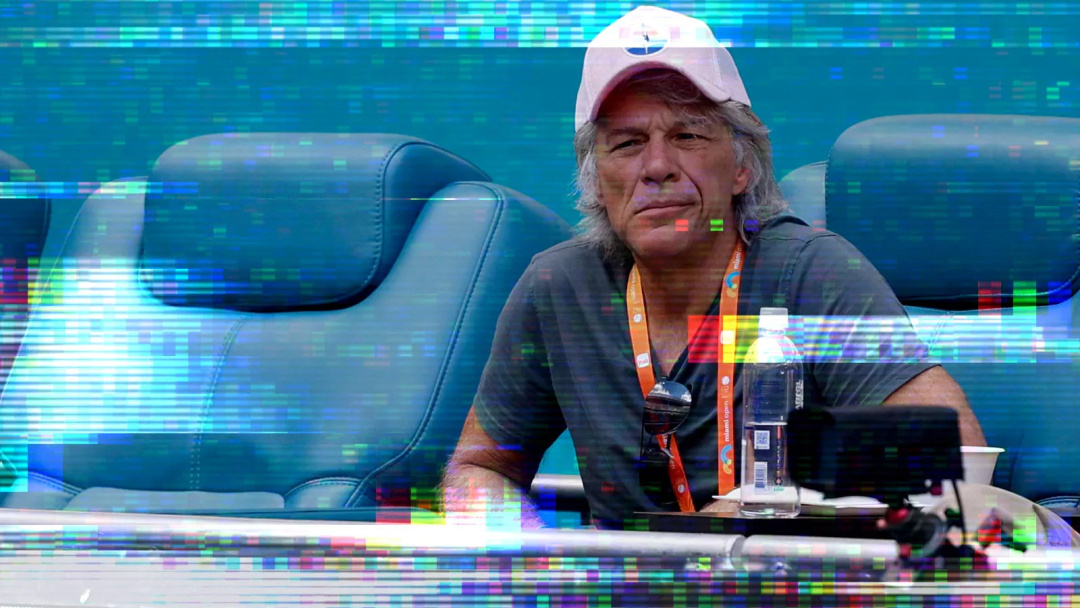
A Louisiana woman, Leslie Pickett, fell victim to a sophisticated scam that involved a con artist impersonating rock star Jon Bon Jovi using artificial intelligence. Over the course of ten months, she lost more than $10,000, nearly jeopardizing her home in the process.
The scam began in late 2024 when Pickett, a long-time Bon Jovi fan, commented on the singer's verified Instagram account. Shortly thereafter, she received a message from another account claiming to be Bon Jovi, who stated he used a private account to interact with fans without his management's knowledge. This initial interaction set the stage for a year-long deception.
The impersonator sent Pickett romantic messages, flowers, and personalized videos that appeared to show Jon Bon Jovi speaking directly to her. To verify the authenticity of these videos, Pickett even devised a test, asking the supposed musician to perform specific actions. To her amazement, the AI-generated video response showed Bon Jovi doing exactly what she requested, further convincing her of the scammer's legitimacy.
After several months of exchanging messages, the scammer began asking for money, initially claiming it was for a private meet-and-greet with Bon Jovi's management. Payments started at $100 or $150, but the impostor repeatedly insisted that the transactions had not gone through. Eventually, he convinced Pickett to send money through various platforms, including Venmo, PayPal, Cash App, and even cryptocurrency.
Details of the Scammer's Deceptive Tactics
In July 2025, the scammer claimed he was visiting Louisiana and sent her photos from a hotel she recognized. The details in the images, such as light fixtures and furniture, matched what she saw in the hotel, adding to her belief in the scam. However, when a supposed security-clearance video call abruptly ended, the scammer demanded more Bitcoin for another meeting, prompting Pickett to realize something was amiss.
The Urgent Need for Awareness in Online Dating Scams
The situation escalated to the point where investigative journalist Mariana van Zeller, host of National Geographic’s documentary "Super Scam Me," collaborated with an ethical hacker to trace the scammer's internet connection to Lagos, Nigeria. By this time, Pickett had lost a significant amount of money and faced foreclosure on her home. The emotional toll was profound, as she expressed that the experience had ruined her enjoyment of Bon Jovi's music, despite knowing he was not the one who scammed her.
Pickett now hopes that by sharing her story, she can prevent others from falling victim to similar scams. Her experience underscores the potential dangers of AI technology in the realm of online dating, where impersonation can lead to devastating financial and emotional consequences.